
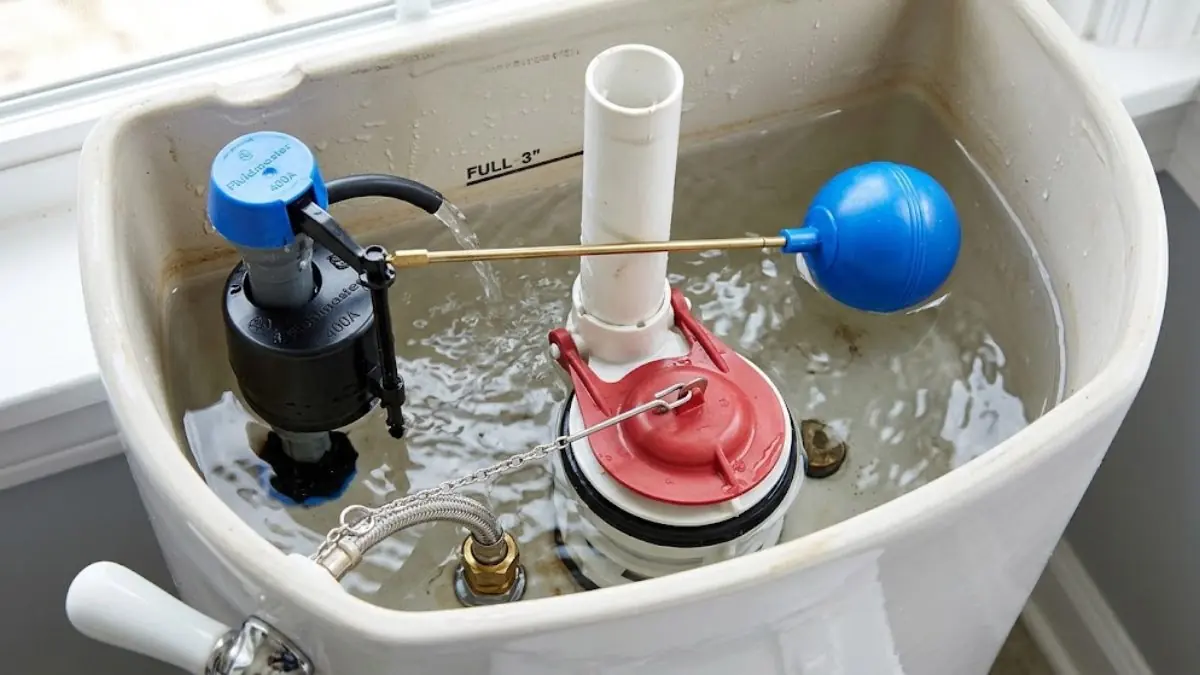
Before You Plunge
Stop flushing. If the water is rising toward the rim, take the tank lid off and close the flapper by hand to stop more water from entering. Put newspaper or an old towel on the floor to catch splashes.
Use the right tool. A flange plunger, with a rubber flap that extends from the cup, seals the toilet drain far better than the flat sink plunger.
The Plunging Method That Works
Most clogs give way within a minute or two.
- 1Seat the plungerPlace it so the flange fits into the drain opening and the cup covers it completely.
- 2Push gently firstStart with a slow push to clear air from the cup, then pull back sharply.
- 3Pull and push in rhythmUse ten to fifteen steady strokes while keeping the seal.
- 4Break the seal and checkPull the plunger away. If the water drains, flush gently to confirm.
- 5Repeat if neededA stubborn clog may need two or three rounds.
If Plunging Does Not Work
Boiling water can crack porcelain, so hot tap water is the safe limit.
| Next option | When it helps | Caution |
|---|---|---|
| Toilet auger | Clogs deeper in the trap | Keep the rubber sleeve against the porcelain |
| Hot water and dish soap | Soft clogs of paper | Use hot, not boiling, water |
| Call a plumber | Repeated clogs, a hard object or backup elsewhere | Stop using the toilet |
Why Chemicals Are a Bad Idea
A toilet clogged with water in the bowl holds caustic chemicals against your hands and the porcelain. Plunging afterward can splash it up. It can also harm the plumber who works on the pipe later.
A plunger or an auger is cheaper, safer and effective.
When It Is Not Just the Toilet
If other fixtures gurgle or back up when you flush, the clog is farther down the line. A basement floor drain that bubbles when the upstairs toilet flushes is a classic sign of a main line problem.
Stop using water in the house and call. Our drain cleaning page explains how we clear main lines, and the toilet repair page covers fixture problems.
Preventing the Next Clog
Flush toilet paper and waste only. Wipes labeled flushable, paper towels, cotton products and feminine items do not break down the way toilet paper does. Keep a small wastebasket by the toilet.
Low-flow toilets work well, but they depend on a clean trap. If yours clogs often, the trap or the vent may be the cause.
Using a Toilet Auger Safely
Pull the auger cable back into its sleeve and set the curved end in the bowl so the sleeve rests on the porcelain. Crank the handle slowly as you push the cable in until you feel resistance, then keep turning to hook or break the clog. Pull the cable back out and flush.
Keep the sleeve against the bowl so the metal does not scratch it. If the auger meets a solid object it cannot move, stop and call a plumber.
Overflow Cleanup
If water spills onto the floor, stop the flow first, then move it out with towels or a wet vacuum. Dry the area quickly, because moisture left under flooring invites mold. Wear gloves, and disinfect surfaces that touched the water.
If sewage came up, treat the area as contaminated and keep children and pets out until it is cleaned. Photograph damage for your insurer.
Clog or Flush Problem?
A toilet that flushes weakly but does not clog may have blocked rim jets or a partial clog in the trap. Mineral deposits can narrow the holes under the rim, so the flush loses force. A weak flush that gets worse over months usually means buildup, not a single blockage.
Cleaning the rim holes with a small brush or a wire can restore flow. If the flush stays weak, the toilet or its vent may need a plumber.
Toilets in Older Shrewsbury Homes
Many Shrewsbury houses are from the early twentieth century and have older toilets, narrower traps and original drain lines. Those conditions make clogs more frequent, and a toilet that clogs monthly is telling you something.
If the toilet sits on a septic system, ask a septic professional about additives and care. If it connects to the town sewer, ask Shrewsbury's public works or sewer office about any issues on your street.
Related Pages and Nearby Towns
We take toilet calls from Boylston and Westborough too, including homes on septic systems where drain care matters even more.
Signs the Toilet Itself Needs Repair
A toilet that runs, rocks, leaks at the base or flushes weakly may have a worn flapper, a failing fill valve or a failed wax ring. Those are repairs, not clogs, and a plumber can fix them in a short visit.
A cracked tank or bowl is a replacement. Water seeping from the base may be coming through a failed wax seal, and floor damage follows if it is ignored.
Still Backing Up? Call Now
A plumber can clear the toilet or the line behind it, at any hour.
Clogged Toilet Questions
Yes, once you have stopped more water coming in. Close the flapper and keep the plunger sealed.
Stop using the toilet and call. A plunger can push the object farther in.
A partial blockage downstream, a low-flow design or buildup in the trap can cause it.
Use a toilet auger, which is designed to protect the porcelain.
It becomes one if sewage backs up or the water will not stop rising. Call the 24/7 line.